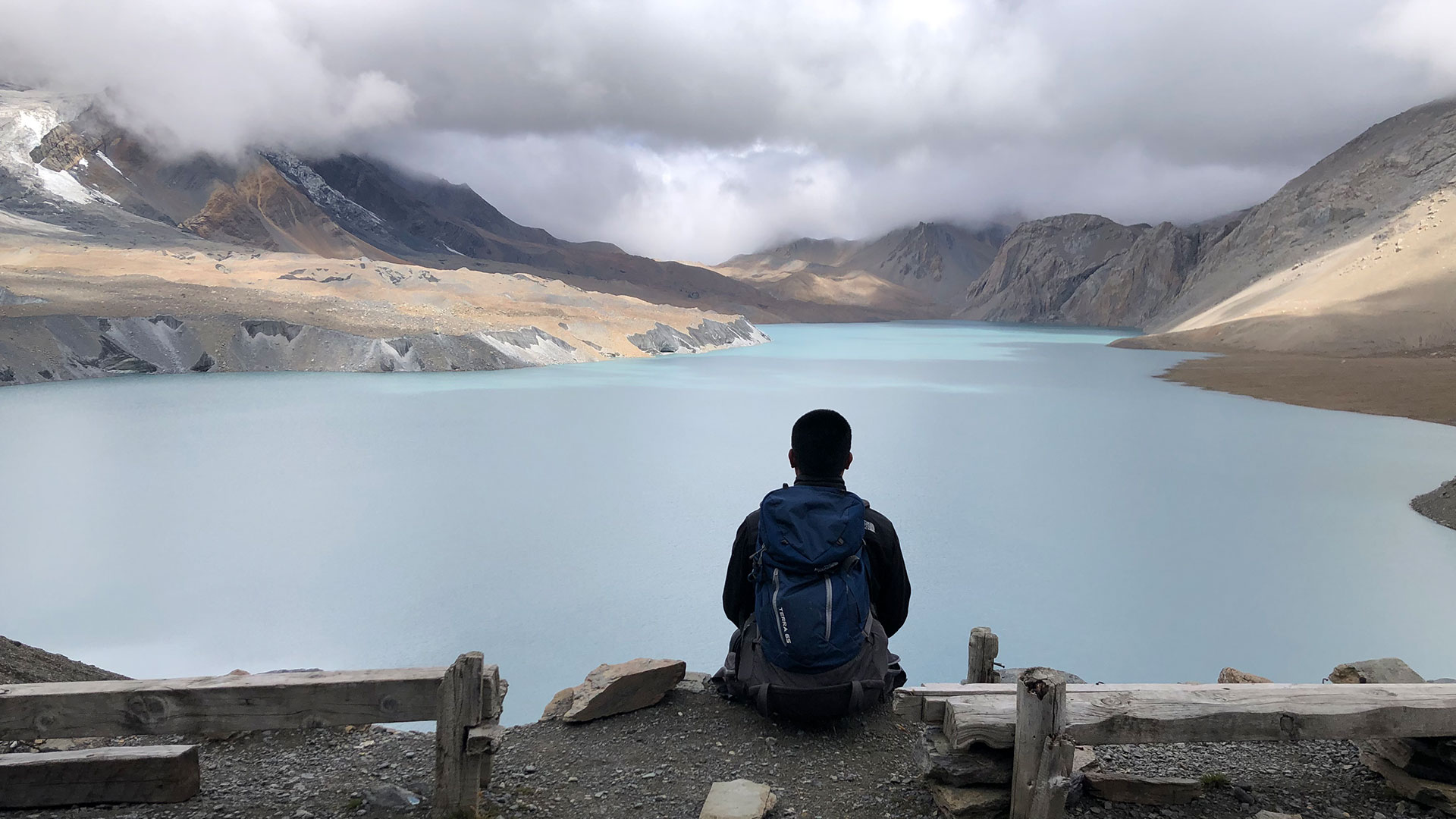
Annapurna Circuit Trekking: The Ultimate Guide to Nepal’s Iconic Adventure
Overview of Annapurna Circuit Trekking: Key Highlights and Routes
Annapurna Circuit Trekking is one of the most famous treks in Nepal. It takes you through beautiful mountains, small villages, and stunning landscapes. The trek is about 160 to 230 kilometers long, depending on the route you choose. It usually takes between 12 to 21 days to complete, depending on how fast you walk and how many rest days you take.
One of the most exciting parts of the Annapurna Circuit Trekking is that it takes you all the way around the Annapurna Mountain Range. This gives you a chance to see many different views of the mountains, valleys, and rivers. Some of the highest points on the trek are over 5,000 meters above sea level, so you will be walking at high altitudes. The trek is challenging but also very rewarding.
The trek starts in Besisahar, a small town in Nepal. From here, trekkers begin their journey, walking through small villages like Bhulbhule and Chame, where you can meet local people and experience their culture. You will also see many beautiful rivers, waterfalls, and fields along the way. The trek will lead you through forests with trees and plants that are unique to the area.
As you move higher up the mountains, the landscape changes. You will see snow-covered peaks and rugged, rocky paths. One of the major landmarks along the Annapurna Circuit Trekking is the Thorong La Pass, which is the highest point of the trek at around 5,416 meters. Reaching this point is an amazing achievement, and many trekkers feel a great sense of accomplishment when they get there.
Another highlight of the trek is the Muktinath Temple, which is a very important place for both Hindus and Buddhists. It is known for its beautiful views and religious significance. Many trekkers visit the temple to pray and enjoy the peaceful atmosphere.
There are different routes you can take for the Annapurna Circuit Trekking. The traditional route starts in Besisahar and goes all the way around the Annapurna Range. Another option is the Jomsom trek, which is shorter and begins at Jomsom, a small town in the lower part of the circuit. This route is easier for those who do not want to do the entire trek.
The Upper Mustang route is another popular choice. It is known for its beautiful landscapes and Tibetan culture. This route is more remote, and you will see fewer people along the way. Some people choose to do the Annapurna Sanctuary trek instead, which takes you closer to the Annapurna peaks, giving you incredible views of the mountains.
In conclusion, Annapurna Circuit Trekking is a journey through breathtaking nature and rich culture. Whether you choose the traditional route or another option, it will be an unforgettable adventure. The trek’s key landmarks, including the Thorong La Pass and Muktinath Temple, offer amazing experiences that trekkers remember for a lifetime.
Best Time for Annapurna Circuit Trekking: Seasons and Weather Considerations
When planning your Annapurna Circuit Trekking adventure, choosing the best time to go is very important. The weather can change a lot in the mountains, so knowing when to go will make your trek more comfortable and enjoyable. The best times for Annapurna Circuit Trekking are during the spring and autumn seasons. These two seasons offer the best weather conditions for trekking in the Himalayas.
Spring Season (March to May)
Spring is one of the best times to do Annapurna Circuit Trekking. The weather is mild, with warm temperatures during the day and cooler temperatures at night. You can expect clear skies, which means great views of the Annapurna mountain range. During spring, the flowers start blooming, and the forests come alive with colorful plants. The temperature can range from 10°C to 20°C during the day, but it gets colder as you climb higher into the mountains. At higher altitudes, the weather can still be chilly, so it is important to pack warm clothing.
Autumn Season (September to November)
Autumn is the most popular time for Annapurna Circuit Trekking. The weather is very stable, with clear skies and mild temperatures. The temperature during the day is usually around 15°C to 20°C, but it gets colder at night. This season is perfect because the weather is dry, and you can see the beautiful landscapes without worrying about rain. Many trekkers choose autumn because the days are long and the views are amazing. It is also the harvest season in the villages, so you will get to see people working in the fields and experience the local culture.
Winter Season (December to February)
Winter is not the best time for Annapurna Circuit Trekking because it can get very cold, especially at higher altitudes. Snow can block some of the paths, and the temperatures can drop below freezing. In the higher regions, like Thorong La Pass, it can be very difficult to trek because of the snow and ice. If you decide to trek in the winter, make sure you are well-prepared with warm clothing, proper equipment, and extra food and water. It is also important to note that some parts of the route may be closed due to heavy snow.
Monsoon Season (June to August)
The monsoon season is the least recommended time for Annapurna Circuit Trekking. This is because it rains a lot in the mountains during these months. The rain can make the trails slippery, and the paths can become muddy and dangerous. There are also more chances of landslides during the monsoon. While some trekkers still choose to trek during this season, it is better to avoid it if you want to have a safer and more enjoyable experience. If you do trek during the monsoon, be prepared for wet conditions, and bring waterproof clothing and gear.
In conclusion, the best time for Annapurna Circuit Trekking is during the spring (March to May) and autumn (September to November) seasons. The weather is clear, and the temperatures are comfortable for trekking. However, no matter when you decide to go, it is important to be ready for changing weather conditions and pack accordingly. Prepare for cold at higher altitudes, and always check the weather before your trek.
Preparation and Packing Tips for Annapurna Circuit Trekking
Before you begin your Annapurna Circuit Trekking adventure, it is important to be well-prepared. The trek takes you through high altitudes and challenging terrain, so having the right gear and clothing is crucial for staying comfortable and safe. Here is a guide to help you get ready for your trek.
Clothing
The weather on Annapurna Circuit Trekking can change a lot, so it is important to pack clothing for all conditions. You will need layers of clothing that you can add or remove depending on the temperature. Start with a base layer, which is close to your skin. This could be a moisture-wicking shirt and pants. These will help keep you dry, even when you sweat. Next, bring a warm layer, like a fleece jacket or sweater, to keep you warm in the cooler temperatures. Lastly, pack a waterproof jacket or a windbreaker to protect you from rain and wind.
Since the higher parts of the trek can get really cold, especially at night, you will need a warm jacket or a down jacket to wear in the evenings. Make sure to bring thermal socks, warm gloves, and a hat to protect your extremities from the cold.
Footwear
Good shoes are very important for Annapurna Circuit Trekking. The trails can be rocky, muddy, and slippery, so it is important to have comfortable, sturdy hiking boots. Choose boots that are waterproof to keep your feet dry during the trek. Make sure the boots are broken in before you start your trek, so you don’t get blisters. Along with your hiking boots, bring some camp shoes or flip-flops to wear when you are resting in the lodges or teahouses.
Backpack and Gear
For your trek, you will need a backpack that can hold all your essentials. A backpack that is about 40-50 liters should be big enough for your clothes, food, and water. Make sure your backpack is comfortable, with adjustable straps to help balance the weight. Inside the backpack, pack a water bottle or hydration system to stay hydrated throughout the day. You may also want to bring a water filter or purification tablets in case you need to drink from streams along the way.
You will also need a sleeping bag for colder nights, especially if you are trekking in the winter or autumn. Make sure it is rated for low temperatures, as the nights can get very cold in higher altitudes.
Health and Medical Preparations
Before starting Annapurna Circuit Trekking, it is a good idea to visit a doctor for a check-up. Make sure your vaccinations are up to date and discuss any health concerns you may have. The high altitude can cause altitude sickness, so it is important to go slowly and let your body adjust to the altitude. Drink plenty of water, rest when needed, and avoid rushing.
It is also important to carry a first aid kit with essentials like pain relievers, band-aids, blister treatment, and any personal medications. You should also bring sunscreen and lip balm to protect yourself from the sun’s rays, as the sun can be strong in the mountains.
Other Essentials
Lastly, don’t forget to pack a headlamp or flashlight, as it can get dark early in the mountains. You may also want a camera to capture the beautiful landscapes along the way. Some trekkers bring a travel guidebook or maps to help them navigate, but many trekkers choose to hire a guide who will know the way.
In conclusion, proper preparation and packing are key for a successful Annapurna Circuit Trekking experience. Make sure to pack the right clothing, footwear, and gear, and always be ready for changing weather and conditions. With the right preparations, you will be ready for an amazing adventure in the Himalayas.
Cultural Experiences Along the Annapurna Circuit: Villages, People, and Traditions
Annapurna Circuit Trekking is not only a beautiful adventure in nature but also a great way to experience the unique cultures of Nepal. The trek takes you through many small villages where you can learn about the people’s way of life, their traditions, and their beliefs. Along the trail, you will meet different ethnic groups and see how they live in harmony with the mountains around them.
One of the most fascinating aspects of Annapurna Circuit Trekking is the variety of people you will meet. The trek passes through villages that are home to different ethnic groups, such as the Gurung, Tamang, Manangi, and Thakali. Each group has its own language, customs, and way of life. These people are known for their hospitality, and many trekkers find that the local people are friendly and welcoming.
As you walk through the villages, you will notice that the houses are built in traditional styles. The people use local materials like stone, wood, and mud to build their homes. In some villages, you will see monasteries and temples, which are places of worship. For example, the Muktinath Temple, located on the Annapurna Circuit, is an important religious site for both Hindus and Buddhists. It is believed to be a place of great spiritual power, and many pilgrims come here from all over Nepal to pray.
The Gurung people, who live in villages like Ghandruk, are famous for their strong connection to the land and their culture. They have a rich tradition of music, dance, and storytelling, and many Gurung villagers work as guides or porters for trekkers. The Tamang people, who live in areas like Chame, follow Buddhist traditions and are known for their colorful Tibetan Buddhist prayer flags and stupas (stone monuments).
As you continue your Annapurna Circuit Trekking journey, you will come across the Thakali people, who live in the lower part of the trek. They are known for their delicious food, especially their special dish called dal bhat, which is a rice and lentil soup served with vegetables and meat. This is a common meal on the trek and is loved by trekkers because it is filling and nutritious. You may also get the chance to try momos, which are steamed dumplings filled with vegetables or meat.
In addition to the food, you will experience many traditional customs. The people of the Annapurna region celebrate festivals like Dashain and Tihar, which are important times for families to come together and celebrate. During these festivals, there are dances, songs, and feasts. You might get lucky and be able to witness or even join in these celebrations.
One of the most interesting parts of Annapurna Circuit Trekking is the chance to see how people live with the mountains. The villages are usually small, and people rely on farming and livestock to make a living. The people grow crops like barley, rice, and potatoes, and they often keep animals like goats and yaks.
In conclusion, Annapurna Circuit Trekking is not just about exploring the mountains; it’s also about experiencing the rich culture and traditions of the people who live there. From the hospitality of the locals to the colorful festivals and delicious food, there are many cultural experiences that will make your trek even more special. The trek offers a unique opportunity to learn about the different ethnic groups and their way of life in the beautiful Himalayan mountains.
Safety and Health Tips for Annapurna Circuit Trekking
Annapurna Circuit Trekking is an exciting adventure, but it is important to stay safe and healthy while you are on the trail. The trek takes you to high altitudes where the air is thinner, and the weather can change quickly. To make sure you have a safe and enjoyable journey, here are some important health and safety tips for your trek.
Altitude Sickness Prevention
One of the biggest health concerns when doing Annapurna Circuit Trekking is altitude sickness. This happens when your body has trouble adjusting to the thin air at higher altitudes. It can cause headaches, dizziness, and nausea. To prevent altitude sickness, it is important to climb slowly and give your body time to adjust.
Make sure to take rest days during the trek, especially when you are going up to higher altitudes. For example, when you reach places like Manang (around 3,500 meters), it is a good idea to take a day off to let your body get used to the height. If you feel unwell, it’s important to rest and avoid going up further until you feel better.
Drink plenty of water to stay hydrated. Dehydration can make altitude sickness worse, so make sure to carry a water bottle and drink water regularly. Avoid alcohol and smoking, as they can make it harder for your body to adjust to the high altitudes.
Stay Healthy on the Trek
To stay healthy while trekking, it is important to eat the right foods and get enough rest. During Annapurna Circuit Trekking, you will be able to stop in teahouses along the way where you can have meals and snacks. Make sure to eat balanced meals, including vegetables, rice, and lentils. These foods will give you the energy you need to keep going. If you are a vegetarian, many places offer vegetarian options.
It’s also important to make sure you are dressed properly for the trek. Wear layers of clothing so that you can adjust to the changing temperatures. It can be cold in the mornings and evenings, but warm during the day. Be sure to pack a good jacket and comfortable shoes that are suited for hiking on rocky paths.
Keep Safe on the Trail
While trekking, your safety is the most important thing. The trails on Annapurna Circuit Trekking can be rocky, narrow, and sometimes steep. Be careful while walking, especially if the path is slippery. Wear sturdy hiking boots that will protect your feet and help you stay steady on the trail.
If you are unsure of the route, it’s always a good idea to hire a guide or trek with others. Guides know the trail well and can help you stay on track. If you are trekking alone, make sure to tell someone your plans and let them know when you expect to finish the trek.
Make sure to carry a first aid kit with you that includes basic items like band-aids, pain relievers, and blister treatment. It’s also a good idea to have some medications for stomach issues or headaches. Having a map or compass is also helpful in case you get lost or need to find your way.
Know When to Turn Back
Sometimes, the best way to stay safe is to listen to your body. If you feel sick, weak, or too tired, don’t be afraid to turn back. There are health posts in places like Manang and Jomsom where you can get help if you feel unwell. It’s important not to push yourself too hard.
In conclusion, Annapurna Circuit Trekking can be a safe and enjoyable adventure if you take care of your health and follow the right safety precautions. Stay hydrated, eat well, and take it slow at high altitudes. Be careful on the trails, and make sure to rest when needed. If you take the proper steps, you will be able to enjoy the beauty of the Annapurna Circuit while staying healthy and safe.
Conclusion
In conclusion, Annapurna Circuit Trekking is an amazing adventure that takes you through beautiful landscapes, unique cultures, and exciting challenges. Along the trek, you’ll experience the warmth of the local people, explore traditional villages, and witness stunning views of the mountains. It’s not just about hiking; it’s about connecting with the culture and traditions of the people living in the Annapurna region.
To make your trek safe and enjoyable, it’s important to be prepared. Make sure you know the best time for Annapurna Circuit Trekking, pack the right gear, and stay healthy by following safety tips for altitude sickness. Pay attention to the changing weather and always stay hydrated.
Taking it slow, resting when needed, and listening to your body will help you avoid any health issues. Don’t forget to be respectful of the local culture and traditions, as this is an important part of the experience. Whether you’re a beginner or an experienced trekker, Annapurna Circuit Trekking offers something for everyone.
By preparing well and following these tips, you can enjoy one of the most memorable treks in the world and make the most of your Annapurna Circuit Trekking journey.

