Chitwan Safari: Nepal’s Untamed Side Awaits

After days spent trekking through the Himalayas or doing some city exploration, welcome to Chitwan National Park, where Nepal’s wild side comes to life.

While many come to Nepal for the mountains, few realize the adventure does not stop at altitude. Down in the lowlands, just a short journey from Kathmandu, you’ll find a jungle, winding rivers, and some of the most thrilling wildlife experiences in South Asia. If Everest stole your breath, Chitwan will let you breath deeply, and gasp in awe all over again.

What’s it like on a Chitwan Safari?

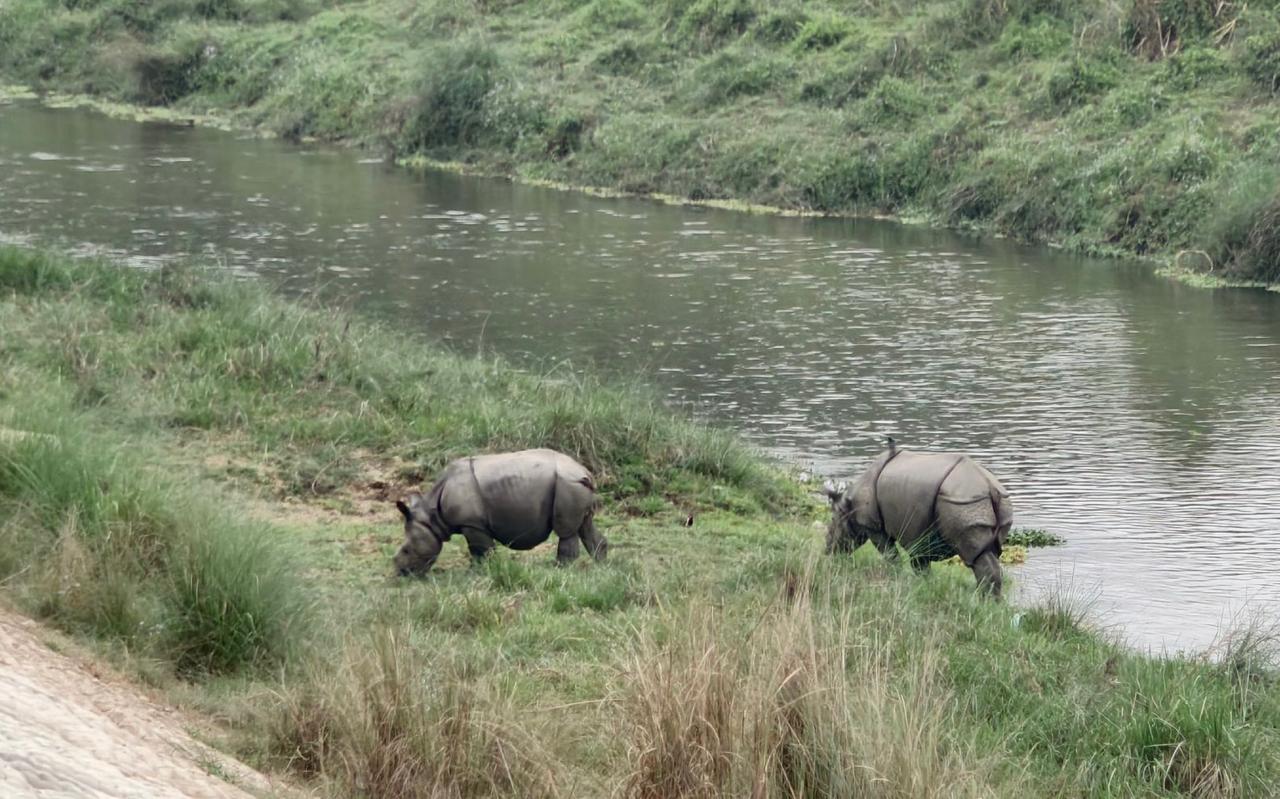
Imagine gliding quietly down the Rapti River in a traditional wooden canoe. Crocodiles lounge on sun drenched banks. Somewhere in the grass, a rhino shifts its weight. This is your first taste of Chitwan and it only gets better.

Over the course of a 3-night, 4-day package, you’ll experience the best of what the park has to offer:

  • Private transfers from Kathmandu: No need to stress about logistics. The trip begins with a comfortable, scenic ride through Nepal’s hills and valleys.
  • Morning canoe ride: It’s peaceful, quiet, and filled with life. Perfect for spotting birds, large wildlife, and enjoying the sounds of the jungle.
  • Jeep safari deep into the jungle: With a trained guide by your side, you’ll drive through forests and open grassland in search of rhinos, monkeys, deer, wild boars, and, if you are lucky, the elusive Bengal tiger.
  • Jungle walk with expert guides: Step off the vehicle into the trees. These guided walks are slow and sensory with plenty of chances to learn about plants, animals, and the delicate balance of the ecosystem.
  • Cultural village experience: You’ll meet the indigenous community of the Terai. Their traditional houses, dances, and ways of life are beautifully intertwined to the jungle environment.
  • Evening by the river: After the day in the wild, kick back at your jungle lodge. Meals are local and hygienic, sunsets over the river are golden, and the nights are filled with light jungle sounds.

Why Chitwan Is the Perfect Add-On to Any Trek

If you’ve just come off a high-altitude trek, or are planning one, Chitwan is the ideal change of pace. Here’s why so many travelers make it their next stop:

  • Recover in warmth and comfort: Trade your down jacket for linen. Let the sore legs rest. Enjoy hot showers, comfy beds, and air that is full of oxygen.
  • Balance your Nepal experience: The Himalayas show you Nepal’s peaks. Chitwan shows you its wild side.
  • Accessible and beginner-friendly: No hiking boots required. The safari is perfect for all ages and abilities, and the activities are led by knowledgeable, safety-trained guides.
  • Incredible wildlife moments: Where else can you spot rhinos in the wild, canoe past crocodiles, and wake up to a birdsong?

Ready for the Wild Side of Nepal?

Chitwan is the perfect way to end a trek, round out a cultural tour, or simply see a side of Nepal that few expect and everyone remembers.

Whether you are sipping tea while watching elephants bathe or sitting still while a rhino walks just meters away, Chitwan is a reminder that adventure comes in many forms, not just at high altitude.

Conclusion: Just Don’t Trek Nepal, Experience It Fully

Nepal’s strength is in its contrasts. From glacier passes to jungle paths, quiet monasteries to crocodile filled rivers, each region offers something unforgettable. A Chitwan safari does not just give your body a break, it gives your adventure more depth.


Why the Gokyo Lakes Trek Might Be Nepal’s Best-Kept Secret

Discover the Untouched Beauty of Gokyo

While thousands of trekkers set their sights on Everest Base Camp each year, a quieter, more picturesque place lies just to the west. The trail leads not to just one stunning destination, but to an entire valley of turquoise glacier lakes, Himalayan mountains views, and undisturbed scenery. This is the Gokyo Lakes Trek, and it might just be the best-kept secret of the region.

For those in the know, seasoned mountaineers, photographers, and experienced guides, Gokyo is often the highlight of the entire Everest region. Whether you trek solely to Gokyo, combine it with Everest Base Camp (EBC) via the Cho La Pass, or experience it as part of the full Three Passes circuit, this valley offers something unique.

In this blog, we’ll explore why Gokyo is gaining recognition as one of the most rewarding trekking destinations in Nepal, and why it may just be the perfect trek for you, whether you’re a first-time adventurer or a seasoned high-altitude trekker.

The Gokyo Route: Three Ways to Experience It

  • Gokyo Lakes as a Stand-Alone Trek
    • Ideal for those seeking serenity and stunning alpine beauty.
    • Just like the EBC route, you will go from Lukla to Namche, following this you will continue up through Dole and Machhermo to arrive at Gokyo.
    • Some of the highlights of the trek include Ngozumpa Glacier, Gokyo Ri summit, and lake reflections of Everest and Cho Oyu.
  • Gokyo + Everest Base Camp via Cho La Pass
    • Adds an extra challenge and reward onto of the traditional EBC trek.
    • You will get to experience the scenic crossing of the Cho La Pass following your time in Gorakshep Village after the EBC ascent and decent.
    • It is a perfect fit for trekkers wanting variety and major Everest landmarks.
  • Gokyo in the Three Passes Circuit
    • This option is a part of Nepal’s most completed trekking loop.
    • As well as the scenic crossing of the Cho La Pass, you will get the gorgeous views from the Kongma La and Renjo La Passes as well.
    • Tailored for trekkers wanting the full Everest region experience.

Not sure which option is right for you? Our guides can help you choose based on your time and goals.

Why Choose Gokyo? What Makes It Special?

  • The Lakes Themselves Are Stunning
    • The six sacred Gokyo Lakes, especially the main lake (Dudh Pokhari), shimmer with gorgeous shades of blue and green, framed by glaciers and snowy peaks.
  • Views from Gokyo Ri Rival Kala Patther
    • Gokyo Ri, with Goyko village views as well as offering one of the most complete panoramic views in the Everest region. Many people who summit Gokyo Ri say it is one of the most dramatic views they’ve seen.
  • Serenity and Solitude
    • Due to the fact that most trekkers head straight to Everest Base Camp, Gokyo remains blissfully quiet. Villages like Dole, Machhermo, and Gokyo itself feel more local and personable. You’ll find yourself walking long stretches of the trail in silence.
  • The Glacier and the Passes
    • Crossing the Ngozumpa Glacier, the longest in Nepal, is a surreal adventure as well as reaching Gokyo from the Cho La Pass adding a layer of challenge coming off of Everest Base Camp.
  • A Trek for Every Type of Traveler
    • Whether you are a solo adventurer, trekking with a group, or seeking a nature retreat, Gokyo offers it. You can keep it moderate with a loop out and back to the lakes or push your limits with adding the high passes.

Who is the Gokyo Trek For?

  • First-Time Trekkers: Choice for the stand-alone Gokyo Lakes trek, if ideal, with a manageable altitude and gradual ascent.
  • Adventurous Beginners: Add the Cho La Pass onto Everest Base Camp for a taste of a high mountain challenge.
  • Experienced Trekkers: Complete the full Three Passes with Gokyo as one of, if not the most photogenic segments of the circuit.
  • Photographers and Nature Lovers: Ideal for those seeking beauty with serenity and without the crowds.

Conclusion: Discover the Magic of Gokyo Before the World Catches On

The Gokyo Lakes trek is more than just an alternative to the Everest Base Camp, it can also be an addition. It is a journey to one of the most gorgeous and peaceful corners of the Himalayas. With clear lakes reflecting the sky, glacier-carved valleys, and towering peaks that rival any view in Nepal, Gokyo delivers raw natural beauty that you’ll remember for a lifetime.

For the adventure seekers, Gokyo offers the perfect blend of challenge and calm, connection and solitude. Whether you’re a seasoned trekker or dreaming of your first high-altitude expedition, the Gokyo route welcomes you with fewer crowds, greater peace, and all rewards of the Everest’s region best-kept secret.

Lace up your boots, pack your curiosity, and go before the secret is out.

Thinking About Trekking Nepal’s Three Passes? Here’s What You Should Know First

The Three Passes Trek is one of Nepal’s most beautiful and ambitious routes, a circuit that combines the best of the Everest region: high mountain passes, serene valleys, gorgeous lakes, breathtaking glaciers, and iconic Himalayan peaks. It’s a dream trek for experienced hikers, but also something that a well prepared beginner can accomplish.

Whether you’re planning your first trek or you’re coming from Everest Base Camp and wondering if you’re ready for it, this blog will dive deeper into what to expect. From the physical and mental challenges to the preparation strategies, here’s what to know before taking on the Three Passes.

What is the Three Passes Trek?

The Three Passes is a 15-20 day high-altitude circuit through Nepal’s Everest region. It links together three spectacular mountain passes, Kongma La (5,535m), Cho La (5,420m), and the Renjo La (5,360m), and passes through iconic locations such as Everest Base Camp, Gokyo Lakes, Kala Patther, and Namche Bazaar.

Unlike the out and back Everest Base Camp route, the Three Passes trek forms a loop that allows you to experience quiet villages, fascinating glaciers, remote valleys, and panoramic views, all without backtracking. It is perfect for trekker looking for a deeper, more “off the beaten path” Himalayan adventure.

How Difficult Is the Three Passes Trek?

This trek is considered one of the most challenging non-technical hikes in the Everest region. The high altitude, long-ish days, and exposed mountain terrain all contribute to its difficulty. Here is more of a breakdown why:

  • High Elevation: You’ll spend multiple days above 4,500 meters and cross three passes above 5,300 meters.
  • Length and Duration: Expect to walk 15-20 days, averaging 5-8 hours per day, occasionally more on pass crossing days.
  • Terrain: Trails can range from rocky climbs and glacier crossings to snowfields and varying width ridgelines.

That said, with built in acclimatization time, a steady pace, and your guide’s support, many trekkers complete the route successfully.

Biggest Challenges and Why They’re Part of the Reward

The Three Passes Trek is definitely challenging, but that’s what makes it so unforgettable. Each “challenge” is actually a milestone waiting to be conquered, and overcoming them is part of the joy of this epic journey.

Altitude – A Test That Builds Strength

Yes, the altitude means thinner air and a risk of altitude sickness. But with proper pacing, hydration, and rest time, your body adapts in amazing ways. Many trekkers say that the sense of accomplishment after crossing a high pass or waking up above 5,000 meters is unlike anything else. The key is to listen to your body, speak up if needed, and you’ll be rewarded with wonderful views and an empowering feeling of resilience.

Steep Climbs and Descents – Adventure on Every Step

The climbs and descents push your stamina and balance, turning every step into an adventure. Rather than obstacles, see them as moments to focus, breathe, and immerse yourself in the stunning scenery. The effort you put in to reach a pass is matched by the sense of accomplishment you feel by looking out at the valley you’ve trekked and the open view of a new mountain perspective you’ve earned.

Partial Isolation – The Gift of Solitude and Connection

Parts of the trail are quieter, which means fewer people and more of a chance to connect better with the mountains and your fellow trekkers. It also gives you an appreciation of what you do have. This solitude is a special part of the experience, it provides you with a chance to reflect, recharge, and immerse yourself in the experience and the surroundings.

Can Beginners or Older Trekkers Successfully Complete the Passes? Absolutely!

The Three Passes Trek may seem intimidating at first glance, especially if you’re new to trekking or a bit older, but may beginners and older adventures have completed it and loved every moment. With the right preparation, mindset, and support, this trek is truly achievable for a wide range of ages and experience levels.

Beginners – Your Adventure Starts Here

If you’re new to trekking, the Three Passes is a fantastic goal that will push your limits and grow your confidence. The key is to prepare well with gradual training and educating yourself about altitude acclimatization, as well as speaking to your guide to alleviate any concerns and answer lingering questions. Remember, it isn’t a race, it is about enjoying the journey and celebrating every step forward.

Many first-time trekkers find that the challenges they worried about beforehand become sources of pride once overcome.

Older Trekkers – Strength on the Trail

Age is not a barrier on the Three Passes Trek. Many individuals thrive by preparing carefully and pacing themselves wisely. Your experience listening to your body and managing your energy will serve you well in the mountains.

Completing a physically and mentally rewarding trek brings an incredible sense of vitality and accomplishment.

Conclusion: A Journey Worth Every Step

The Three Passes Trek is not just a hike, it is also a test of endurance, a lesson in resilience, and an unforgettable adventure through some of the most stunning landscapes on Earth. Yes, it is challenging. Yes, it will push you. It will also reward you in ways few other journeys can.

Whether you’re a seasoned trekker seeking high altitude or a first-timer in search of something bold, the Three Passes Trek offers an experience that is humbling and inspiring. From standing on top of passes with a panoramic Himalayan views, to sharing tea with Sherpa hosts, your guide, and trekkers alike in quiet mountain villages, every moment of this trek brings forth purpose.

With the right preparation, a steady mindset, your confident and supportive guide, and a willingness to adapt, trekkers of all ages and backgrounds can complete this journey.

So if the Three Passes Trek is calling to you, don’t be afraid to answer. You may find out that you’re stronger and more capable that you ever realized.


Why Manaslu Circuit Trekking Should Be Your Next Adventure

Discover the Untouched Beauty of the Manaslu Region

The Manaslu Circuit Trekking is one of the most beautiful treks in Nepal, but it’s not as crowded as other popular treks like the Everest Base Camp trek. This makes it a perfect place to experience nature at its best. The Manaslu region is full of stunning views, peaceful landscapes, and unique places that are often overlooked by tourists. If you are looking for a trek that feels like a hidden gem, the Manaslu Circuit Trekking is the right choice.

As you start your journey, you will notice how peaceful and quiet the Manaslu region is compared to other trekking areas. The trek takes you through dense forests, grassy hills, and rocky paths. You’ll see clear rivers flowing down the mountains and have a chance to spot wildlife like monkeys, deer, and colorful birds. These natural sights make Manaslu Circuit Trekking an unforgettable adventure for nature lovers.

The trail also takes you past traditional villages where people still follow old ways of life. As you walk through these villages, you’ll see houses made of wood and stone. The people here are friendly and welcome trekkers with smiles. You’ll learn about their customs, culture, and daily life, which makes the trek even more special. The Manaslu region is not just about nature; it’s also a place full of history and culture.

One of the highlights of the Manaslu Circuit Trekking is the view of Mount Manaslu, the eighth-highest mountain in the world. As you get higher, the mountain becomes clearer, and the views are breathtaking. The snow-covered peaks and surrounding landscapes make it feel like you’re walking in a dream. This stunning beauty is what makes the Manaslu region so special.

What makes the Manaslu region even more amazing is that it is less crowded. Unlike the Everest or Annapurna regions, you won’t have to worry about large groups of people. This gives you more space to enjoy the beauty of the area without distractions. You can really connect with nature and the peaceful surroundings, which makes the experience even better.

The Manaslu Circuit Trekking also takes you through high-altitude areas where you can see how nature changes as you go higher. From lush green forests at the start of the trek to snowy landscapes at the top, the variety of views is incredible. The trek’s altitude also gives you a chance to experience the beauty of Himalayan mountains up close.

In conclusion, the Manaslu Circuit Trekking offers a unique and peaceful experience that lets you discover the untouched beauty of the region. With stunning views, friendly villages, and beautiful nature, this trek is perfect for anyone who wants to escape crowded trails and explore a hidden part of Nepal. If you love adventure and want to see a side of Nepal that is still untouched by many, then the Manaslu Circuit Trekking should be on your list.

Experience Unique Culture and Traditions Along the Manaslu Circuit Trekking

One of the best parts of the Manaslu Circuit Trekking is the chance to experience the unique culture and traditions of the people who live in the area. As you walk through the villages and interact with locals, you’ll see how different life is in the Manaslu region compared to big cities. The culture here is deeply connected to nature and religion, which makes the trek even more interesting and special.

The people in the Manaslu region follow a way of life that has been passed down for generations. Most of the villages are small, and the houses are made from stone and wood, built to withstand the harsh mountain weather. The locals live close to nature, farming crops like rice, barley, and potatoes. You will often see them working in the fields, taking care of their animals, or simply going about their daily tasks. The lifestyle is simple, but it’s full of warmth and hospitality.

As you hike along the Manaslu Circuit Trekking route, you will pass by villages where the culture is strongly influenced by both Buddhist and Hindu traditions. The people here practice a mix of these religions, and you will notice beautiful Buddhist stupas, prayer flags, and monasteries along the way. These places are not just landmarks but important centers for the community. The sounds of prayer bells and chanting monks will create a peaceful atmosphere as you walk by.

One of the unique cultural experiences you’ll have during the Manaslu Circuit Trekking is the chance to learn about the local festivals and rituals. The people of the Manaslu region celebrate many festivals throughout the year, and these celebrations are an important part of their lives. Festivals like Lhosar, which marks the Tibetan New Year, and Dashain, a major Hindu festival, bring the community together in joy. If you happen to be trekking during one of these festivals, you might even get invited to join the celebrations, giving you a deeper understanding of the culture.

The food in the Manaslu region also reflects the local culture. You’ll get the chance to try traditional dishes like dal bhat (rice and lentils), momo (dumplings), and butter tea, which is a special drink made from tea, butter, and salt. These meals are simple but hearty, providing the energy needed for a long day of trekking. The locals take pride in their food, and sharing a meal with them is a wonderful way to connect with the culture.

The local dress in the Manaslu region is another way the people’s traditions are shown. Most people wear colorful clothes made from wool, which keep them warm in the cold mountain weather. You may also see people wearing traditional hats, especially during festivals or ceremonies. These clothes are not just for fashion; they are practical and necessary for surviving in the harsh mountain environment.

In conclusion, the Manaslu Circuit Trekking is not just about stunning views and physical challenges; it’s also about experiencing the unique culture and traditions of the people who call this region home. From the peaceful monasteries to the colorful festivals, the food, and the everyday life of the locals, the Manaslu region offers an unforgettable cultural journey. Trekking here allows you to connect with a way of life that has remained unchanged for centuries. If you want to experience something truly special, the Manaslu Circuit Trekking is the perfect adventure for you.

An Epic Challenge for Adventurers: The Ultimate Manaslu Circuit Trekking Experience

The Manaslu Circuit Trekking is not for the faint-hearted. It is an epic challenge that attracts adventurers looking for something more than just a regular hike. This trek offers the ultimate trekking experience, with its tough trails, high-altitude climbs, and stunning views that make every step worth the effort. If you’re someone who loves adventure and is ready to face a physical challenge, Manaslu Circuit Trekking could be your perfect choice.

This trek takes you through some of the most remote and rugged parts of Nepal. The trails are not always smooth or easy to follow, so you need to be prepared for steep climbs and rocky paths. However, this is what makes Manaslu Circuit Trekking such a thrilling experience. Every day brings a new challenge, whether it’s crossing suspension bridges, navigating through dense forests, or trekking up towards high mountain passes. The difficulty of the trek will test your physical strength and stamina, but it also rewards you with incredible views and a sense of achievement.

One of the biggest challenges on the Manaslu Circuit Trekking is the high altitude. The trek reaches heights of over 5,000 meters (16,400 feet), and the air gets thinner as you climb higher. At such altitudes, the weather can change quickly, and trekkers need to be cautious to avoid altitude sickness. It’s important to take your time, rest when needed, and stay hydrated. This challenge is part of the adventure, and it makes reaching the top even more rewarding. As you continue your trek, you will feel a sense of pride knowing that you are conquering the heights of the Himalayas.

Despite the tough challenges, the trek is also filled with breathtaking views. As you make your way through the Manaslu Circuit Trekking route, you will be surrounded by towering snow-capped peaks, including the mighty Mount Manaslu. The beauty of the landscape changes as you climb higher, from green valleys and rushing rivers to rocky mountain passes and glaciers. These stunning sights keep you motivated to keep going, even when the trail feels tough.

Another exciting part of the Manaslu Circuit Trekking is the feeling of being in a remote part of the world. Unlike other popular treks, the Manaslu Circuit is less crowded. This means that you get to experience the Himalayas in a more peaceful and untouched way. You will pass through small villages where life has stayed the same for centuries, and you’ll meet locals who live in harmony with nature. This part of the trek adds a sense of adventure as you discover a world far away from the usual tourist spots.

In conclusion, Manaslu Circuit Trekking is the ultimate adventure for those who are ready to face a real challenge. With tough trails, high-altitude climbs, and amazing views, it offers an unforgettable experience for trekkers who love a good challenge. It’s a trek that pushes you physically and mentally, but the reward of reaching the top and experiencing the beauty of the Manaslu region makes it all worth it. If you’re an adventurer at heart, Manaslu Circuit Trekking is waiting for you.

Manaslu Circuit Trekking: A Less Crowded Alternative to Everest Base Camp

If you’re dreaming of a trekking adventure in Nepal but want to avoid the busy crowds, Manaslu Circuit Trekking could be the perfect choice for you. Unlike the famous Everest Base Camp trek, which is often crowded with tourists, the Manaslu Circuit offers a quieter and more peaceful experience. You’ll have the chance to enjoy nature’s beauty and explore the Himalayas without feeling rushed or overwhelmed by large groups of people.

One of the main reasons Manaslu Circuit Trekking is a great alternative to Everest Base Camp is its remoteness. The trek takes you through the Manaslu region, a less-visited area that still offers stunning views of snow-capped mountains, deep valleys, and green forests. As you hike, you’ll pass by small, traditional villages where life has not changed much over the years. The locals are friendly and happy to share their way of life with trekkers, offering a deeper cultural experience compared to the busy routes like Everest Base Camp.

Since the Manaslu region is less popular among trekkers, you will likely have more space and peace as you walk the trail. This means you can enjoy the silence of the mountains and take in the beautiful surroundings without the noise of large crowds. For many trekkers, this peacefulness is one of the biggest advantages of choosing Manaslu Circuit Trekking over Everest Base Camp. You’ll feel more connected to nature and have more time to appreciate the stunning views and the people you meet along the way.

Another great thing about the Manaslu Circuit Trekking is that it offers a similar adventure to Everest Base Camp but with fewer people. Both treks take you through beautiful mountain scenery, but Manaslu is a bit more challenging and less crowded. The trek goes through a variety of landscapes, from lush forests to rocky mountain passes, and you’ll get the chance to see unique wildlife along the way. The highlight of Manaslu Circuit Trekking is the view of Mount Manaslu, the eighth-highest mountain in the world, which is just as impressive as the views from Everest Base Camp but without the busy crowds.

The trek is also a bit more off-the-beaten-path, making it a great option for those who want to experience a quieter, more authentic trekking journey. The routes and accommodations are more basic, which adds to the feeling of being in a true mountain adventure. You’ll have the chance to see how locals live in remote mountain villages and learn about their culture, traditions, and way of life.

In conclusion, if you want an amazing trek in Nepal without the crowds, Manaslu Circuit Trekking is an excellent alternative to Everest Base Camp. It offers incredible views, a chance to explore remote villages, and the beauty of the Himalayas without the large number of trekkers. The Manaslu Circuit Trekking is perfect for those who want a more peaceful, unique, and authentic adventure in the mountains.

Stunning Views and Wildlife: Why Manaslu Circuit Trekking is a Photographer’s Paradise

If you are a photographer who loves capturing beautiful landscapes and wildlife, the Manaslu Circuit Trekking is the perfect place for you. The trek offers stunning views of the Himalayas, colorful villages, and a variety of animals. Whether you’re an experienced photographer or just someone who loves taking photos, Manaslu Circuit Trekking will give you plenty of chances to take amazing pictures.

The views along the trek are one of the biggest reasons why photographers love this trail. As you hike through the Manaslu region, you will be surrounded by towering snow-capped mountains, including the mighty Mount Manaslu, which is the eighth-highest mountain in the world. The landscapes change as you climb higher, with lush forests at lower altitudes and rocky, barren mountains as you reach the higher passes. Every step of the way, you will find new and breathtaking scenes to photograph, from rivers and waterfalls to the dramatic mountain scenery.

One of the best places to capture the views is at the Larkya La Pass. This is the highest point of the trek, located at 5,160 meters (16,929 feet). From here, you can take incredible photos of the surrounding mountains, glaciers, and valleys. The light at sunrise and sunset also creates beautiful colors in the sky, making it a perfect time to capture the beauty of the Manaslu region.

In addition to the stunning landscapes, Manaslu Circuit Trekking is also a great place to photograph wildlife. The region is home to many animals, some of which are rarely seen elsewhere. While trekking, you might spot wild goats, such as the Himalayan tahr, or even the elusive snow leopard. Birds, like the colorful Himalayan pheasant, are also common in the area. These animals and birds provide fantastic opportunities for nature photography, and with some patience and luck, you might capture them in action.

The villages along the Manaslu Circuit Trekking route are also great subjects for photography. The people in the area still follow traditional ways of life, and their homes are built with stone and wood to blend in with the environment. You can photograph the colorful prayer flags, Buddhist stupas, and monasteries that are found in many villages. These structures are not only beautiful but also offer a glimpse into the local culture and religion, adding a unique touch to your photographs.

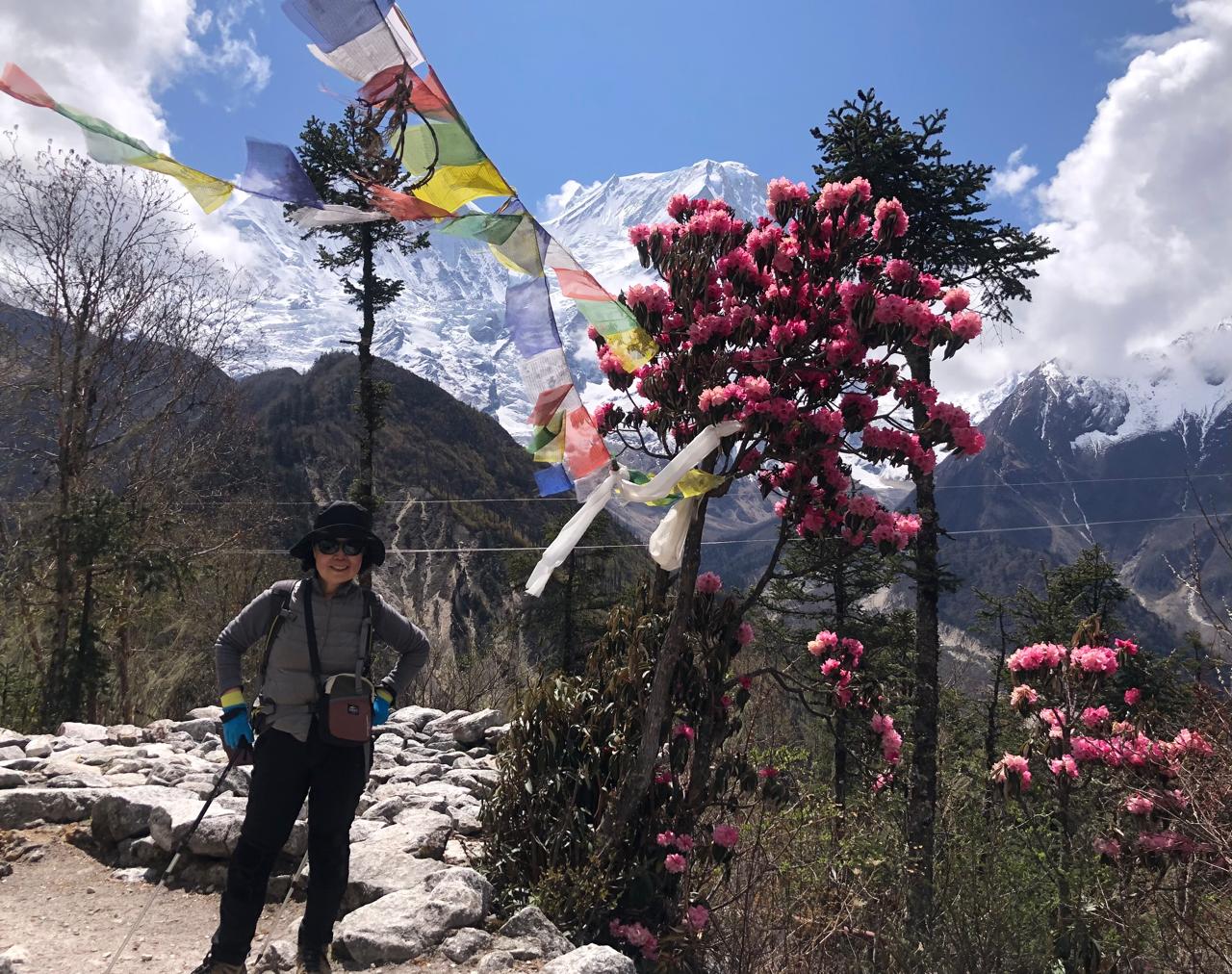
The trek also takes you through dense forests of rhododendron, bamboo, and pine, which create beautiful natural frames for your pictures. The vibrant colors of the flowers, especially during the spring season, provide a perfect contrast to the snowy peaks in the background. As you walk through these forests, you can take photos of the quiet trails, the sunlight filtering through the trees, and the peaceful atmosphere that surrounds you.

In conclusion, Manaslu Circuit Trekking is truly a photographer’s paradise. With its breathtaking views, diverse wildlife, and cultural beauty, it offers endless opportunities to capture the perfect shot. Whether you’re photographing the mountains, the people, or the animals, every moment on the trek is a chance to take a stunning photo. If you love photography and adventure, Manaslu Circuit Trekking is the perfect place to explore and capture the beauty of nature.

Conclusion

In conclusion, the Manaslu Circuit Trekking is a unique adventure that offers so much more than just a challenging hike. It is an opportunity to experience the beauty of the Himalayas, explore remote villages, and connect with nature in a way that’s hard to find elsewhere. Whether you are looking for stunning mountain views, a peaceful escape from crowds, or a photographer’s paradise, the Manaslu Circuit Trekking has it all. The trek’s quiet trails, breathtaking scenery, and the chance to photograph wildlife and traditional cultures make it an unforgettable experience.

While trekking through the Manaslu region, you will be surrounded by the beauty of nature, from the snow-capped peaks of Mount Manaslu to the rich forests and remote villages. The wildlife and vibrant local culture provide endless opportunities for photographers, and the trek itself offers a challenge that will make you feel accomplished. If you are looking for a trekking adventure that is both beautiful and less crowded, Manaslu Circuit Trekking is the perfect choice. It’s an adventure you will cherish for a lifetime, offering both the thrill of the challenge and the joy of discovering something truly special.

Everest Base Camp Trek Difficulty: Can a Beginner Do It?

The Everest Base Camp trek is one of the most famous hikes in the world. It takes you to the base of Mount Everest, the highest mountain on Earth. Along the way, you walk through beautiful valleys, cross suspension bridges, and see snow-covered peaks. You also visit small villages, meet friendly Sherpa people, and experience their unique culture.

Many people wonder about the Everest Base Camp trek difficulty. It is not a technical climb, but it is still very challenging. The trek is long, usually taking 12–14 days. You have to walk for many hours each day, sometimes on steep and rocky trails. The biggest challenge is the high altitude, which can make breathing harder. Some people get altitude sickness, so it’s important to walk slowly and drink lots of water.

Even beginners can complete the trek with good preparation. Regular walking, strength exercises, and practice hikes help a lot. Choosing the right gear and packing wisely also makes the journey easier.

The Everest Base Camp trek difficulty depends on your fitness and how well you handle altitude. With the right mindset and training, many people—beginners included—successfully reach Everest Base Camp

Understanding the Everest Base Camp Trek Difficulty Level

The Everest Base Camp trek difficulty is something many people worry about before starting this adventure. It is not an easy trek, but it is also not impossible. Many people, including beginners, successfully complete the journey every year. The difficulty level depends on a few key things, such as distance, altitude, weather, and physical fitness.

The total distance of the trek is about 130 km (80 miles), going up and down through rocky and steep trails. Most days, you will walk for 5 to 7 hours. Some sections are easy, but others are very tiring. The trek is not a race, so taking it slow helps. People who are used to hiking or walking long distances may find it easier than those who are not.

The biggest challenge of the Everest Base Camp trek difficulty is the altitude. As you go higher, the air gets thinner, making it harder to breathe. Some people get altitude sickness, which can cause headaches, dizziness, and nausea. This is why most itineraries include rest days to help the body adjust. Walking slowly, drinking plenty of water, and getting enough sleep can reduce the risk of altitude sickness.

The weather also plays a big role in the Everest Base Camp trek difficulty. It can change quickly, going from warm and sunny to cold and snowy. Mornings are usually clear, but afternoons can bring strong winds or sudden rain. In winter, the trails can be icy, making it harder to walk. Choosing the right season for the trek makes a big difference. Spring (March to May) and autumn (September to November) are the best times because the weather is more stable.

Another thing that affects the Everest Base Camp trek difficulty is the weight of your backpack. Carrying a heavy bag while walking for hours can make the trek much harder. Many trekkers hire porters to carry their bags so they can walk with less weight. Packing smartly and taking only the necessary items can help a lot.

Physical fitness is also important. The trek does not require special climbing skills, but it does need good stamina and leg strength. People who exercise regularly, especially by walking, running, or climbing stairs, will find the trek easier. If someone is not used to physical activity, training for a few months before the trek is a good idea.

The Everest Base Camp trek difficulty is different for everyone. Some people find it very tough, while others enjoy it without too much trouble. The key is to be well-prepared, take it slow, and listen to your body. Even though it is challenging, reaching Everest Base Camp is a big achievement. Many people say the hard work is worth it when they stand at the base of the world’s highest mountain and see the stunning views all around them.

How Fit Do You Need to Be for Everest Base Camp?

Many people wonder how fit they need to be for the Everest Base Camp trek. The trek is not a technical climb, but it is still very challenging. The Everest Base Camp trek difficulty depends on your fitness level, how well you handle high altitude, and how much you prepare before the trek.

To complete the trek, you need good stamina and strong legs. Each day, you will walk for 5 to 7 hours, sometimes more. The trails go uphill and downhill, with rocky and uneven paths. Some parts are steep and can feel exhausting, especially at higher altitudes where the air is thin. Walking long distances every day for nearly two weeks can be tough if your body is not ready for it.

One of the biggest challenges of the Everest Base Camp trek difficulty is the altitude. The higher you go, the less oxygen there is in the air. This makes it harder to breathe and can make you feel tired more quickly. Even very fit people can struggle with altitude sickness. Walking slowly, drinking lots of water, and taking enough rest days can help your body adjust.

You do not need to be an athlete to do the trek, but preparing your body is very important. A few months before the trek, start doing regular exercises like walking, jogging, cycling, or swimming. Hiking on hills or climbing stairs with a backpack is also a great way to train. If you are not used to walking long distances, start with short walks and slowly increase the time and distance. This will help build your endurance and make the trek easier.

Strength training can also help with the Everest Base Camp trek difficulty. Exercises like squats, lunges, and leg presses make your legs stronger, which is important for walking uphill. Core exercises like planks and sit-ups help with balance and carrying a backpack. Even simple stretching can prevent injuries and make your body more flexible.

Mental strength is just as important as physical fitness. The trek can be tiring, and some days may feel harder than others. Cold weather, long walks, and high altitude can make people feel like giving up. Staying positive, taking breaks, and focusing on one step at a time can help. Many people find the trek easier when they go with a group or a guide who encourages them along the way.

Another factor that affects the Everest Base Camp trek difficulty is the weight of your backpack. Carrying too much weight can make the trek harder. Packing light and only taking what you really need can help. Many trekkers hire porters to carry heavy bags so they can walk with less strain.

In the end, you do not need to be super fit, but you should be prepared. If you train well, take it slow, and listen to your body, you have a good chance of reaching Everest Base Camp. The trek is challenging, but with the right preparation, it is possible for many people.

Biggest Challenges on the Everest Base Camp Trek

The Everest Base Camp trek is a dream for many people, but it is not an easy journey. The Everest Base Camp trek difficulty comes from many challenges, including long walking hours, high altitude, and unpredictable weather. Knowing about these challenges can help you prepare and make the trek easier.

One of the biggest challenges of the trek is the high altitude. As you go higher, the air gets thinner, which makes it harder to breathe. Some people get altitude sickness, which can cause headaches, dizziness, nausea, and tiredness. If altitude sickness gets worse, it can be dangerous. The best way to prevent it is to walk slowly, drink plenty of water, and take rest days to let your body adjust.

Another challenge of the Everest Base Camp trek difficulty is the long distance. The trek is about 130 km (80 miles) round trip. Most days, you will walk for 5 to 7 hours on rocky and uneven trails. Some parts of the trek are steep and require a lot of energy. Walking for many days in a row can make your legs feel sore and tired. Training before the trek can help your body handle the long walks.

The weather in the Everest region can also make the trek difficult. The temperature changes quickly, and it can get very cold, especially at night. In the morning, the sky may be clear, but by afternoon, strong winds or snowfall can make walking harder. Choosing the right season for the trek is important. Spring (March to May) and autumn (September to November) are the best times because the weather is more stable.

Food and sleep can also be a challenge during the trek. As you go higher, food options become limited, and prices increase. Most teahouses serve simple meals like rice, noodles, and soup. Eating well is important to keep your energy up. Sleeping can also be difficult because of the cold and high altitude. Some people wake up at night feeling short of breath. Carrying a good sleeping bag and staying warm can help.

Carrying a heavy backpack is another part of the Everest Base Camp trek difficulty. If your bag is too heavy, it can make walking much harder. Packing only what you need can make a big difference. Many trekkers hire porters to carry their bags so they can walk with less weight.

The last challenge is staying motivated. Some days, the trek may feel very hard, and you may want to give up. The cold, the long walking hours, and the high altitude can make the trek exhausting. But taking breaks, staying positive, and remembering why you started the trek can help. Many people feel tired along the way, but when they finally reach Everest Base Camp, they feel proud and happy.

The Everest Base Camp trek difficulty is real, but with the right preparation and mindset, it is possible to complete it. The journey is tough, but the beautiful mountains, friendly Sherpa people, and the feeling of achievement make it worth the effort.

Training Tips for Beginners Attempting Everest Base Camp

The Everest Base Camp trek is an exciting adventure, but it is also very challenging. The Everest Base Camp trek difficulty is high, especially for beginners who are not used to long walks at high altitudes. Training before the trek can make the journey easier and more enjoyable.

One of the most important things to focus on is building endurance. The trek takes about two weeks, and you will walk for 5 to 7 hours each day. To prepare, start walking every day at least two or three months before your trek. Try to walk on hilly or uneven ground, not just flat roads. If you can, go on small hikes with a backpack to get used to carrying weight while walking uphill and downhill.

Another key part of training is strength training. Since you will be climbing a lot of stairs and walking on steep trails, strong legs will help. Exercises like squats, lunges, and step-ups can build leg muscles. You should also do core exercises like planks and sit-ups to improve balance and strength. Even simple stretching exercises can prevent injuries and make your muscles more flexible.

Cardio training is also important for the Everest Base Camp trek difficulty. Since there is less oxygen at high altitude, your heart and lungs need to work harder. Activities like jogging, cycling, swimming, or stair climbing can improve your breathing and stamina. If possible, train at high altitudes or wear a backpack while exercising to make your body stronger.

Practicing with a loaded backpack is another great way to prepare. During the trek, you will carry a daypack with water, snacks, and extra clothes. A heavy backpack can make walking harder, so it is a good idea to train while carrying some weight. Start with a light bag and slowly increase the weight as your strength improves.

Since altitude is one of the biggest challenges of the Everest Base Camp trek difficulty, it helps to train at higher elevations if you can. If you live in a place with hills or mountains, go on hikes there. This will help your body get used to lower oxygen levels. If you do not have access to high-altitude areas, focus on endurance and cardio training to prepare your lungs for the challenge.

Another important part of training is mental preparation. The trek is not just physically tough but also mentally challenging. Some days will feel harder than others, and you might feel tired or frustrated. Staying positive and pushing through difficult moments is key. Training in different weather conditions and going on long hikes even when you feel tired can help you build mental strength.

Lastly, focus on staying healthy. Drink plenty of water, eat a balanced diet, and get enough rest. If possible, consult a doctor before your trek to check if you are fit for high-altitude trekking.

The Everest Base Camp trek difficulty is real, but with the right training and mindset, beginners can complete the trek. Preparation makes the journey easier and allows you to enjoy the beautiful mountains and the experience of reaching Everest Base Camp.

Can a First-Time Trekker Successfully Complete the EBC Trek?

Many people dream of trekking to Everest Base Camp, but if you have never trekked before, you might wonder if it is possible. The good news is that first-time trekkers can complete the journey with the right preparation. However, the Everest Base Camp trek difficulty is real, and you need to be ready for the challenges.

One of the biggest concerns for beginners is altitude. The trek takes you as high as 5,364 meters (17,598 feet), where the air is thin, and breathing becomes harder. Some trekkers get altitude sickness, which can cause headaches, dizziness, and nausea. Walking slowly, drinking lots of water, and taking rest days help your body adjust to the high altitude. Even if you are fit, altitude can still affect you, so listening to your body is important.

Another challenge of the Everest Base Camp trek difficulty is the long walking hours. You will trek for about 12 to 14 days, walking 5 to 7 hours each day. The trail has steep climbs, rocky paths, and some slippery sections. Since this trek is not a race, walking at a steady pace and taking breaks will help. Even if you have never done a long trek before, regular training before the trip can prepare you.

Training is very important for first-time trekkers. Since the trek is mostly walking, practicing by going on hikes or long walks is a great way to get ready. Walking on hills, carrying a backpack, and building leg strength will make the trek easier. Cardio exercises like jogging, cycling, or stair climbing also help your lungs and heart work better in high altitudes.

The weather can also make the Everest Base Camp trek difficulty feel harder. It can be warm during the day but freezing cold at night. Sometimes, the weather changes suddenly, bringing strong winds or snow. Wearing the right clothes, including warm layers, a waterproof jacket, and good trekking shoes, is very important. Having the right gear can make a big difference in how comfortable you feel during the trek.

One of the most important things for a first-time trekker is mental strength. The trek is tiring, and there will be days when you feel exhausted. Some people may even think about quitting. But staying positive, focusing on small goals, and reminding yourself why you started can keep you going. Trekking with a group or hiring a guide can also give you extra support and motivation.

Even though the Everest Base Camp trek difficulty is high, many first-time trekkers complete it successfully. Good preparation, proper acclimatization, and a positive attitude make a big difference. The trek is tough, but reaching Everest Base Camp and seeing the breathtaking mountains makes it all worth it. With the right mindset and training, even beginners can make their dream of trekking to Everest Base Camp come true.

Conclusion

The Everest Base Camp trek difficulty is challenging, but it is not impossible for beginners. With the right preparation, first-time trekkers can successfully complete the trek. Understanding the challenges, such as high altitude, long walking hours, and unpredictable weather, will help you get ready. Training your body, especially by building endurance and strength, will make a big difference. You should also focus on staying healthy and acclimatizing to the altitude by walking slowly and taking rest days.

Though the Everest Base Camp trek difficulty might feel overwhelming at times, having the right gear and a positive attitude will help you keep going. If you are mentally prepared, it can help you push through tough moments. Many first-time trekkers reach the base camp and feel proud of their achievement.

The Everest Base Camp trek difficulty is real, but with good planning, the right mindset, and proper training, you can conquer it. The trek offers beautiful views, unforgettable experiences, and a sense of accomplishment that makes all the effort worthwhile. If you are ready for a challenge and are prepared, the journey to Everest Base Camp can be one of the most rewarding experiences of your life.
Annapurna Circuit Trekking: The Ultimate Guide to Nepal’s Iconic Adventure

Overview of Annapurna Circuit Trekking: Key Highlights and Routes

Annapurna Circuit Trekking is one of the most famous treks in Nepal. It takes you through beautiful mountains, small villages, and stunning landscapes. The trek is about 160 to 230 kilometers long, depending on the route you choose. It usually takes between 12 to 21 days to complete, depending on how fast you walk and how many rest days you take.

One of the most exciting parts of the Annapurna Circuit Trekking is that it takes you all the way around the Annapurna Mountain Range. This gives you a chance to see many different views of the mountains, valleys, and rivers. Some of the highest points on the trek are over 5,000 meters above sea level, so you will be walking at high altitudes. The trek is challenging but also very rewarding.

The trek starts in Besisahar, a small town in Nepal. From here, trekkers begin their journey, walking through small villages like Bhulbhule and Chame, where you can meet local people and experience their culture. You will also see many beautiful rivers, waterfalls, and fields along the way. The trek will lead you through forests with trees and plants that are unique to the area.

As you move higher up the mountains, the landscape changes. You will see snow-covered peaks and rugged, rocky paths. One of the major landmarks along the Annapurna Circuit Trekking is the Thorong La Pass, which is the highest point of the trek at around 5,416 meters. Reaching this point is an amazing achievement, and many trekkers feel a great sense of accomplishment when they get there.

Another highlight of the trek is the Muktinath Temple, which is a very important place for both Hindus and Buddhists. It is known for its beautiful views and religious significance. Many trekkers visit the temple to pray and enjoy the peaceful atmosphere.

There are different routes you can take for the Annapurna Circuit Trekking. The traditional route starts in Besisahar and goes all the way around the Annapurna Range. Another option is the Jomsom trek, which is shorter and begins at Jomsom, a small town in the lower part of the circuit. This route is easier for those who do not want to do the entire trek.

The Upper Mustang route is another popular choice. It is known for its beautiful landscapes and Tibetan culture. This route is more remote, and you will see fewer people along the way. Some people choose to do the Annapurna Sanctuary trek instead, which takes you closer to the Annapurna peaks, giving you incredible views of the mountains.

In conclusion, Annapurna Circuit Trekking is a journey through breathtaking nature and rich culture. Whether you choose the traditional route or another option, it will be an unforgettable adventure. The trek’s key landmarks, including the Thorong La Pass and Muktinath Temple, offer amazing experiences that trekkers remember for a lifetime.

Best Time for Annapurna Circuit Trekking: Seasons and Weather Considerations

When planning your Annapurna Circuit Trekking adventure, choosing the best time to go is very important. The weather can change a lot in the mountains, so knowing when to go will make your trek more comfortable and enjoyable. The best times for Annapurna Circuit Trekking are during the spring and autumn seasons. These two seasons offer the best weather conditions for trekking in the Himalayas.

Spring Season (March to May)

Spring is one of the best times to do Annapurna Circuit Trekking. The weather is mild, with warm temperatures during the day and cooler temperatures at night. You can expect clear skies, which means great views of the Annapurna mountain range. During spring, the flowers start blooming, and the forests come alive with colorful plants. The temperature can range from 10°C to 20°C during the day, but it gets colder as you climb higher into the mountains. At higher altitudes, the weather can still be chilly, so it is important to pack warm clothing.

Autumn Season (September to November)

Autumn is the most popular time for Annapurna Circuit Trekking. The weather is very stable, with clear skies and mild temperatures. The temperature during the day is usually around 15°C to 20°C, but it gets colder at night. This season is perfect because the weather is dry, and you can see the beautiful landscapes without worrying about rain. Many trekkers choose autumn because the days are long and the views are amazing. It is also the harvest season in the villages, so you will get to see people working in the fields and experience the local culture.

Winter Season (December to February)

Winter is not the best time for Annapurna Circuit Trekking because it can get very cold, especially at higher altitudes. Snow can block some of the paths, and the temperatures can drop below freezing. In the higher regions, like Thorong La Pass, it can be very difficult to trek because of the snow and ice. If you decide to trek in the winter, make sure you are well-prepared with warm clothing, proper equipment, and extra food and water. It is also important to note that some parts of the route may be closed due to heavy snow.

Monsoon Season (June to August)

The monsoon season is the least recommended time for Annapurna Circuit Trekking. This is because it rains a lot in the mountains during these months. The rain can make the trails slippery, and the paths can become muddy and dangerous. There are also more chances of landslides during the monsoon. While some trekkers still choose to trek during this season, it is better to avoid it if you want to have a safer and more enjoyable experience. If you do trek during the monsoon, be prepared for wet conditions, and bring waterproof clothing and gear.

In conclusion, the best time for Annapurna Circuit Trekking is during the spring (March to May) and autumn (September to November) seasons. The weather is clear, and the temperatures are comfortable for trekking. However, no matter when you decide to go, it is important to be ready for changing weather conditions and pack accordingly. Prepare for cold at higher altitudes, and always check the weather before your trek.

Preparation and Packing Tips for Annapurna Circuit Trekking

Before you begin your Annapurna Circuit Trekking adventure, it is important to be well-prepared. The trek takes you through high altitudes and challenging terrain, so having the right gear and clothing is crucial for staying comfortable and safe. Here is a guide to help you get ready for your trek.

Clothing

The weather on Annapurna Circuit Trekking can change a lot, so it is important to pack clothing for all conditions. You will need layers of clothing that you can add or remove depending on the temperature. Start with a base layer, which is close to your skin. This could be a moisture-wicking shirt and pants. These will help keep you dry, even when you sweat. Next, bring a warm layer, like a fleece jacket or sweater, to keep you warm in the cooler temperatures. Lastly, pack a waterproof jacket or a windbreaker to protect you from rain and wind.

Since the higher parts of the trek can get really cold, especially at night, you will need a warm jacket or a down jacket to wear in the evenings. Make sure to bring thermal socks, warm gloves, and a hat to protect your extremities from the cold.

Footwear

Good shoes are very important for Annapurna Circuit Trekking. The trails can be rocky, muddy, and slippery, so it is important to have comfortable, sturdy hiking boots. Choose boots that are waterproof to keep your feet dry during the trek. Make sure the boots are broken in before you start your trek, so you don’t get blisters. Along with your hiking boots, bring some camp shoes or flip-flops to wear when you are resting in the lodges or teahouses.

Backpack and Gear

For your trek, you will need a backpack that can hold all your essentials. A backpack that is about 40-50 liters should be big enough for your clothes, food, and water. Make sure your backpack is comfortable, with adjustable straps to help balance the weight. Inside the backpack, pack a water bottle or hydration system to stay hydrated throughout the day. You may also want to bring a water filter or purification tablets in case you need to drink from streams along the way.

You will also need a sleeping bag for colder nights, especially if you are trekking in the winter or autumn. Make sure it is rated for low temperatures, as the nights can get very cold in higher altitudes.

Health and Medical Preparations

Before starting Annapurna Circuit Trekking, it is a good idea to visit a doctor for a check-up. Make sure your vaccinations are up to date and discuss any health concerns you may have. The high altitude can cause altitude sickness, so it is important to go slowly and let your body adjust to the altitude. Drink plenty of water, rest when needed, and avoid rushing.

It is also important to carry a first aid kit with essentials like pain relievers, band-aids, blister treatment, and any personal medications. You should also bring sunscreen and lip balm to protect yourself from the sun’s rays, as the sun can be strong in the mountains.

Other Essentials

Lastly, don’t forget to pack a headlamp or flashlight, as it can get dark early in the mountains. You may also want a camera to capture the beautiful landscapes along the way. Some trekkers bring a travel guidebook or maps to help them navigate, but many trekkers choose to hire a guide who will know the way.

In conclusion, proper preparation and packing are key for a successful Annapurna Circuit Trekking experience. Make sure to pack the right clothing, footwear, and gear, and always be ready for changing weather and conditions. With the right preparations, you will be ready for an amazing adventure in the Himalayas.

Cultural Experiences Along the Annapurna Circuit: Villages, People, and Traditions

Annapurna Circuit Trekking is not only a beautiful adventure in nature but also a great way to experience the unique cultures of Nepal. The trek takes you through many small villages where you can learn about the people’s way of life, their traditions, and their beliefs. Along the trail, you will meet different ethnic groups and see how they live in harmony with the mountains around them.

One of the most fascinating aspects of Annapurna Circuit Trekking is the variety of people you will meet. The trek passes through villages that are home to different ethnic groups, such as the Gurung, Tamang, Manangi, and Thakali. Each group has its own language, customs, and way of life. These people are known for their hospitality, and many trekkers find that the local people are friendly and welcoming.

As you walk through the villages, you will notice that the houses are built in traditional styles. The people use local materials like stone, wood, and mud to build their homes. In some villages, you will see monasteries and temples, which are places of worship. For example, the Muktinath Temple, located on the Annapurna Circuit, is an important religious site for both Hindus and Buddhists. It is believed to be a place of great spiritual power, and many pilgrims come here from all over Nepal to pray.

The Gurung people, who live in villages like Ghandruk, are famous for their strong connection to the land and their culture. They have a rich tradition of music, dance, and storytelling, and many Gurung villagers work as guides or porters for trekkers. The Tamang people, who live in areas like Chame, follow Buddhist traditions and are known for their colorful Tibetan Buddhist prayer flags and stupas (stone monuments).

As you continue your Annapurna Circuit Trekking journey, you will come across the Thakali people, who live in the lower part of the trek. They are known for their delicious food, especially their special dish called dal bhat, which is a rice and lentil soup served with vegetables and meat. This is a common meal on the trek and is loved by trekkers because it is filling and nutritious. You may also get the chance to try momos, which are steamed dumplings filled with vegetables or meat.

In addition to the food, you will experience many traditional customs. The people of the Annapurna region celebrate festivals like Dashain and Tihar, which are important times for families to come together and celebrate. During these festivals, there are dances, songs, and feasts. You might get lucky and be able to witness or even join in these celebrations.

One of the most interesting parts of Annapurna Circuit Trekking is the chance to see how people live with the mountains. The villages are usually small, and people rely on farming and livestock to make a living. The people grow crops like barley, rice, and potatoes, and they often keep animals like goats and yaks.

In conclusion, Annapurna Circuit Trekking is not just about exploring the mountains; it’s also about experiencing the rich culture and traditions of the people who live there. From the hospitality of the locals to the colorful festivals and delicious food, there are many cultural experiences that will make your trek even more special. The trek offers a unique opportunity to learn about the different ethnic groups and their way of life in the beautiful Himalayan mountains.

Safety and Health Tips for Annapurna Circuit Trekking

Annapurna Circuit Trekking is an exciting adventure, but it is important to stay safe and healthy while you are on the trail. The trek takes you to high altitudes where the air is thinner, and the weather can change quickly. To make sure you have a safe and enjoyable journey, here are some important health and safety tips for your trek.

Altitude Sickness Prevention

One of the biggest health concerns when doing Annapurna Circuit Trekking is altitude sickness. This happens when your body has trouble adjusting to the thin air at higher altitudes. It can cause headaches, dizziness, and nausea. To prevent altitude sickness, it is important to climb slowly and give your body time to adjust.

Make sure to take rest days during the trek, especially when you are going up to higher altitudes. For example, when you reach places like Manang (around 3,500 meters), it is a good idea to take a day off to let your body get used to the height. If you feel unwell, it’s important to rest and avoid going up further until you feel better.

Drink plenty of water to stay hydrated. Dehydration can make altitude sickness worse, so make sure to carry a water bottle and drink water regularly. Avoid alcohol and smoking, as they can make it harder for your body to adjust to the high altitudes.

Stay Healthy on the Trek

To stay healthy while trekking, it is important to eat the right foods and get enough rest. During Annapurna Circuit Trekking, you will be able to stop in teahouses along the way where you can have meals and snacks. Make sure to eat balanced meals, including vegetables, rice, and lentils. These foods will give you the energy you need to keep going. If you are a vegetarian, many places offer vegetarian options.

It’s also important to make sure you are dressed properly for the trek. Wear layers of clothing so that you can adjust to the changing temperatures. It can be cold in the mornings and evenings, but warm during the day. Be sure to pack a good jacket and comfortable shoes that are suited for hiking on rocky paths.

Keep Safe on the Trail

While trekking, your safety is the most important thing. The trails on Annapurna Circuit Trekking can be rocky, narrow, and sometimes steep. Be careful while walking, especially if the path is slippery. Wear sturdy hiking boots that will protect your feet and help you stay steady on the trail.

If you are unsure of the route, it’s always a good idea to hire a guide or trek with others. Guides know the trail well and can help you stay on track. If you are trekking alone, make sure to tell someone your plans and let them know when you expect to finish the trek.

Make sure to carry a first aid kit with you that includes basic items like band-aids, pain relievers, and blister treatment. It’s also a good idea to have some medications for stomach issues or headaches. Having a map or compass is also helpful in case you get lost or need to find your way.

Know When to Turn Back

Sometimes, the best way to stay safe is to listen to your body. If you feel sick, weak, or too tired, don’t be afraid to turn back. There are health posts in places like Manang and Jomsom where you can get help if you feel unwell. It’s important not to push yourself too hard.

In conclusion, Annapurna Circuit Trekking can be a safe and enjoyable adventure if you take care of your health and follow the right safety precautions. Stay hydrated, eat well, and take it slow at high altitudes. Be careful on the trails, and make sure to rest when needed. If you take the proper steps, you will be able to enjoy the beauty of the Annapurna Circuit while staying healthy and safe.

Conclusion

In conclusion, Annapurna Circuit Trekking is an amazing adventure that takes you through beautiful landscapes, unique cultures, and exciting challenges. Along the trek, you’ll experience the warmth of the local people, explore traditional villages, and witness stunning views of the mountains. It’s not just about hiking; it’s about connecting with the culture and traditions of the people living in the Annapurna region.

To make your trek safe and enjoyable, it’s important to be prepared. Make sure you know the best time for Annapurna Circuit Trekking, pack the right gear, and stay healthy by following safety tips for altitude sickness. Pay attention to the changing weather and always stay hydrated.

Taking it slow, resting when needed, and listening to your body will help you avoid any health issues. Don’t forget to be respectful of the local culture and traditions, as this is an important part of the experience. Whether you’re a beginner or an experienced trekker, Annapurna Circuit Trekking offers something for everyone.

By preparing well and following these tips, you can enjoy one of the most memorable treks in the world and make the most of your Annapurna Circuit Trekking journey.

Newsletter

Stay up to date with our latest news and Blogs

image description
whatsapp-icon